Bladder-Prostate Segue Malleability (BPSM)
A key design feature prioritizing patient safety and comfort.
In the US, it is estimated that one urinary catheterization attempt takes place every second of the day.
A 2019 study by Trautner et al. elicited feedback from hundreds of patients who had recently undergone urinary catheterization:
87% of submitted comments were negative.
These negative comments included complaints of not only pain, irritation, and discomfort, but also provider errors during insertion attempts, which led to such adverse consequences as urinary tract infection and false passage creation.
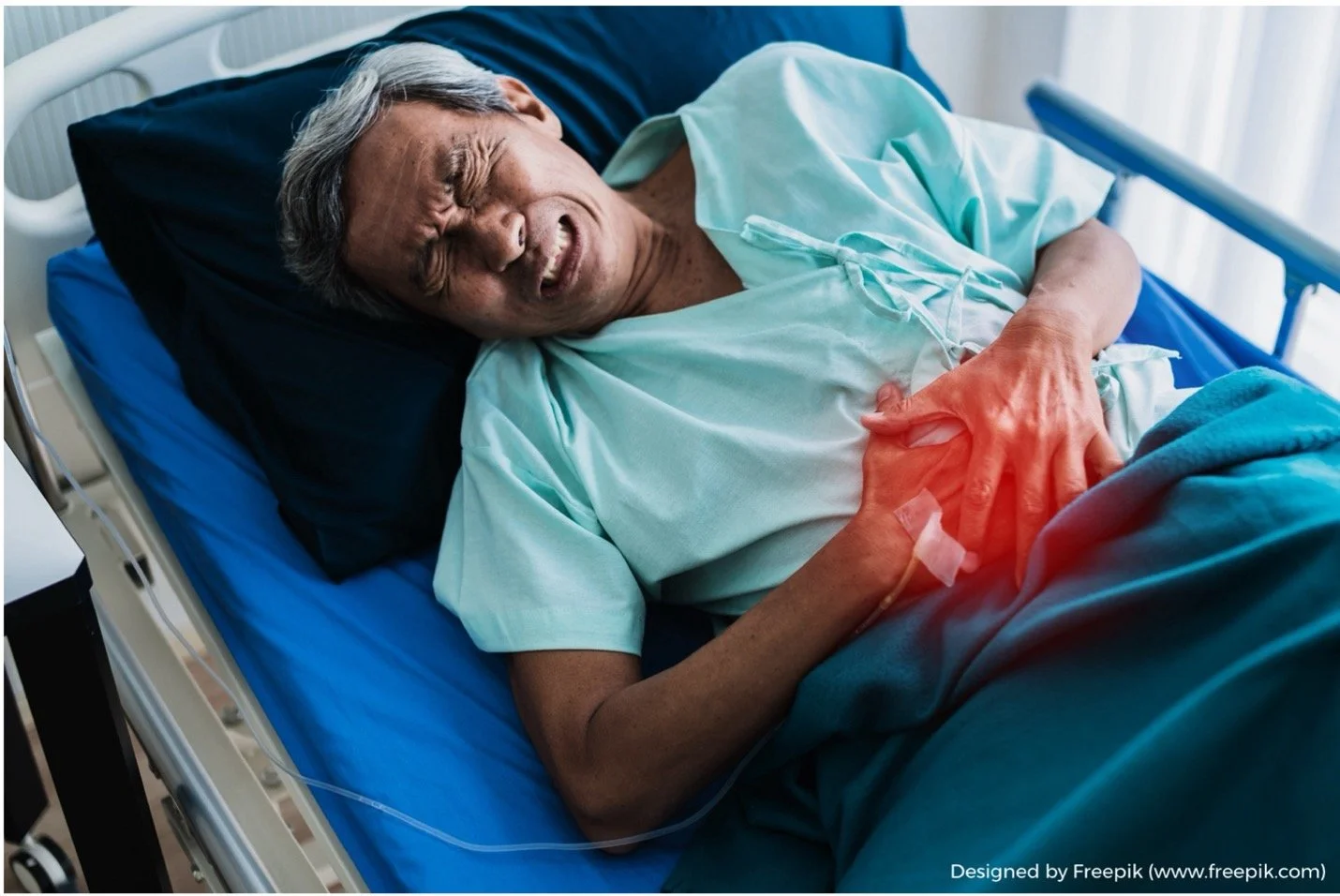
This overwhelmingly negative patient feedback inspired Foldé co-founder Dr. Young Kang to create a novel urinary catheter with enhanced bladder-prostate segue malleability (BPSM).
Laser-focused on BPSM throughout the catheter design process, Dr. Kang and his team are confident they can improve first-time insertion success rate and minimize potential complications. “Ultimately, our goal is to alleviate patient suffering from this exceedingly common medical procedure,” states Dr. Kang.
Foldé is currently in the process of coordinating its first in-human study.
Reference:
Trautner BW et al. (2019). Am J Infect Control
Foldé
Reshaping the future of urinary catheterization.